

TMJ Treatment in Columbia SC | Causes, Symptoms & Relief
Learn how chiropractic care, TMJ adjustments, soft tissue therapy, and Class IV laser therapy may help reduce jaw pain, clicking, headaches, and TMJ dysfunction.
6/11/20267 min read

Understanding the Anatomy of the Temporomandibular Joint
The Temporomandibular Joint (TMJ) is a complex hinge joint that connects the jawbone (mandible) to the skull. It enables various jaw movements, such as chewing, speaking, and yawning, through its intricate design and function. The TMJ is located just in front of the ear on each side of the head, allowing for a wide range of motion essential for daily activities. The efficient operation of this joint relies on the coordinated efforts of several muscles associated with jaw movement.
Key muscles that play a crucial role in the function of the TMJ include the masseter, temporalis, and pterygoid muscles. The masseter muscle is one of the strongest muscles in the human body and is critical for chewing. It is primarily responsible for elevating the mandible, allowing the jaw to close effectively. The temporalis muscle is situated on the side of the head and works in conjunction with the masseter to elevate and retract the jaw. This synergistic relationship between these muscles is vital for the efficient functioning of the TMJ.
Additionally, the pterygoid muscles, which consist of the medial and lateral pterygoids, facilitate more complex jaw movements. The medial pterygoid muscle assists in closing the jaw, while the lateral pterygoid muscle is essential for opening the jaw and moving it side to side. These muscles play an indispensable role during actions such as grinding food and adjusting the position of the jaw, thereby enhancing overall jaw functionality. Understanding these muscles’ anatomy and functions provides insights into how TMJ disorders may arise, highlighting the need for targeted treatments to address any muscular imbalances or injuries.
Common Causes of TMJ Disorders
Temporomandibular joint (TMJ) disorders can arise from a multitude of factors that contribute to dysfunction or inflammation in the jaw area. One of the primary contributors is stress, which often leads to muscle tension and involuntary clenching of the jaw. When individuals experience heightened stress levels, they may unconsciously engage in clenching, resulting in strain on the muscles and ligaments surrounding the TMJ.
Another leading cause of TMJ disorders is bruxism, which refers to the habitual grinding of teeth. This is frequently associated with stress, anxiety, or sleep disorders, and can cause significant wear on the teeth and strain on the jaw joint. Over time, bruxism can exacerbate the symptoms associated with TMJ disorders, leading to chronic pain and dysfunction.
Arthritis is another contributing factor to TMJ disorders, as it can lead to inflammation within the joint itself. Conditions such as osteoarthritis and rheumatoid arthritis may affect the cartilage, resulting in discomfort and restricted jaw movement. Additionally, traumatic jaw injuries, including dislocations, fractures, or impacts, can destabilize the joint and lead to TMJ dysfunction.
Jaw misalignment, whether due to an improper bite or structural abnormalities in the teeth and jaw, can also be significant in the development of TMJ disorders. When the jaw is not properly aligned, it can cause uneven strain on the TMJ, leading to pain, clicking, or popping sounds during jaw movement. These various factors can combine, leading to a complex interplay of symptoms associated with TMJ disorders.
Symptoms and Effects of TMJ Disorders
Temporomandibular joint (TMJ) disorders can lead to various symptoms, significantly affecting the daily lives of those who suffer from them. One of the most common and noticeable symptoms is jaw pain, which can range from mild discomfort to severe pain that can hinder daily activities. This discomfort is often exacerbated when yawning, chewing, or even speaking, affecting the individual’s ability to carry out these basic tasks.
In addition to jaw pain, many individuals experience frequent headaches. These headaches may mimic tension-type or migraine headaches, further complicating the diagnosis and treatment. Earaches are another widespread symptom, as the TMJ is located near the ear canal. This proximity can lead to sensations of fullness or pressure in the ears, contributing to a sense of discomfort.
Moreover, individuals with TMJ disorders may struggle with various functional issues, such as difficulty in chewing or opening the mouth fully. This limitation can lead to changes in eating habits, potentially creating nutritional deficiencies and heightened stress during mealtimes. The interplay between these symptoms can have profound effects on a person’s overall quality of life.
It is also important to note that the implications of TMJ disorders extend beyond physical symptoms. Many individuals report experiencing emotional stress, anxiety, or frustration due to their condition. This emotional toll can lead to sleep disturbances, which further exacerbate the symptoms of TMJ disorders. Consequently, the cumulative effects on personal well-being—encompassing physical discomfort, psychological stress, and reduced ability to perform daily tasks—underscore the importance of seeking effective treatments for TMJ disorders.
How Soda City Chiropractic Approaches TMJ Treatment
Soda City Chiropractic adopts a comprehensive and individualized approach to treating temporomandibular joint (TMJ) disorders. Understanding that each patient's condition and response to treatment can vary significantly, our philosophy centers around detailed assessment and tailored interventions. Patients suffering from TMJ disorders often experience a range of symptoms including jaw pain, headaches, and difficulty in chewing, which can be exacerbated by stress or jaw misalignment.
Initially, our practitioners conduct a thorough evaluation, analyzing not only the patient's health history but also their posture, jaw alignment, and associated muscular function. This in-depth assessment serves as a critical starting point, enabling our team to identify the root causes of the TMJ disorder. By understanding the underlying factors, such as myofascial pain syndrome or structural anomalies, we can develop a personalized treatment plan that addresses specific patient needs.
Our treatment strategies may include chiropractic adjustments aimed at improving jaw alignment and overall cervical spine function, providing relief from associated symptoms. Furthermore, we may incorporate soft tissue therapies to alleviate tension in the jaw and neck muscles, allowing for improved mobility and comfort. In some cases, we also encourage lifestyle and ergonomic modifications to manage daily activities that could contribute to TMJ strain.
Another crucial aspect of our approach is educating patients about their condition. We believe that informed patients are more likely to engage actively in their treatment. Therefore, we provide resources and counsel on exercises that can strengthen jaw muscles and potentially reduce the frequency and intensity of TMJ flare-ups. At Soda City Chiropractic, we consider our role not just as therapists but as educators in empowering patients to take control of their health.
Jaw Adjustments: A Key Component of Treatment
Jaw adjustments play a crucial role in the management and treatment of temporomandibular joint (TMJ) disorders. These disorders often arise from misalignments in the jaw or excessive tension in the surrounding muscles, leading to pain, difficulty in movement, and other related symptoms. Chiropractors utilize specific techniques tailored to realign the jaw and relieve pressure on the TMJ, resulting in improved function and alleviated pain.
One common technique employed is the manual adjustment, where the chiropractor carefully applies pressure to the jaw, aiming to restore its natural alignment. This method is designed to improve the relationship between the upper and lower jaws, thus enhancing the overall biomechanics of the jaw. By realigning the jaw, patients often report a reduction in pain levels and a significant increase in their jaw mobility over time.
Another approach involves the use of soft tissue manipulation. Chiropractors may work on the muscles surrounding the TMJ to release built-up tension. Techniques such as myofascial release focus on easing tight muscles and improving blood flow, contributing to a reduction in pain and discomfort associated with TMJ disorders. This holistic approach not only addresses the physical misalignment but also promotes relaxation and stress relief, which are often contributing factors in TMJ issues.
Additionally, chiropractors may recommend exercises to strengthen the muscles around the jaw, enhancing stability and functionality further. These exercises aim to increase the range of motion and prevent future complications related to jaw movement. Overall, jaw adjustments and associated chiropractic techniques are integral in the comprehensive treatment of TMJ disorders, offering patients a pathway towards relief and improved quality of life.
Oral Massage Techniques for Muscle Relief
Soda City Chiropractic employs various oral massage techniques specifically aimed at relieving tension in the pterygoid muscles, which play a crucial role in jaw function. The pterygoid muscles, located deep within the jaw, are often a source of discomfort in individuals suffering from temporomandibular joint (TMJ) disorders. By focusing on these areas, oral massage techniques can effectively contribute to alleviating the symptoms associated with TMJ conditions.
One commonly utilized technique is intraoral massage, where the practitioner gently manipulates the pterygoid muscles through the mouth. This method allows for immediate access to the muscle group, helping to release knots and tension. During the procedure, the chiropractor may use their fingers to apply pressure to specific points, encouraging blood flow and promoting muscle relaxation. Patients often report significant relief from jaw stiffness and discomfort following these targeted sessions.
In addition to intraoral manipulation, the practice emphasizes rhythmic massage strokes that stimulate proprioception and improve muscle coordination. This rhythmic approach not only helps to diminish muscle tension but also enhances overall function by restoring normal movement patterns in the jaw. The integration of breathing exercises during these sessions can further support relaxation, enabling a more comprehensive approach to TMJ treatment.
Another important aspect of these oral techniques includes educating patients about self-massage practices that can be performed at home. By teaching individuals how to effectively relieve tension on their own, the treatment becomes a holistic part of their daily routine, empowering them to manage their TMJ disorder proactively.
Ultimately, the oral massage techniques utilized at Soda City Chiropractic foster effective muscle relief and enhance overall therapeutic outcomes for those suffering from TMJ disorders, contributing positively to the journey toward recovery.
EMVital Therapy for Comprehensive Treatment
EMVital Therapy is a specialized approach designed to address the symptoms and underlying causes associated with temporomandibular joint (TMJ) disorders. This innovative therapy focuses on the release of tension and alleviation of pain by targeting specific muscle groups that play a significant role in jaw function and overall craniofacial health.
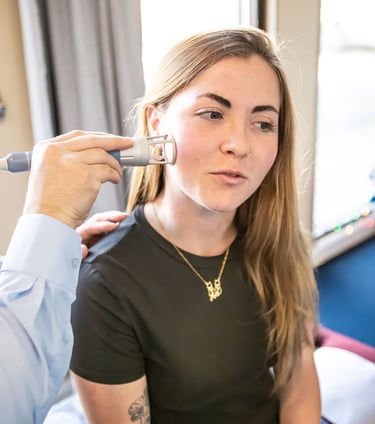
The therapy primarily targets the masseter muscle, one of the key muscles responsible for jaw movement. By applying precise techniques, EMVital Therapy seeks to reduce hyperactivity in this muscle, which often contributes to discomfort in the jaw area. Additionally, attention is also given to the sternocleidomastoid (SCM) and upper trapezius muscles. These muscles, when tense, can lead to referred pain and further complications, intensifying the challenges faced by individuals suffering from TMJ disorders.
A comprehensive treatment plan involving EMVital Therapy may include a variety of techniques such as manual therapy, myofascial release, and muscle re-education. The integration of these methodologies helps enhance muscle flexibility and joint mobility, ultimately leading to a reduction in pain and improved functional capabilities. By addressing both the physical manifestations and the contributing factors of TMJ disorders, EMVital Therapy offers a holistic approach that promotes recovery and overall well-being.
Moreover, this therapy aligns well with the practice philosophy at Soda City Chiropractic, which emphasizes individualized care. Patients are assessed for their specific needs and conditions to ensure that the therapy is tailored effectively, enhancing the therapeutic results and promoting a full return to normal activities. Thus, EMVital Therapy stands as an important option in the comprehensive management of TMJ disorders, aiding in a timely recovery and overall patient satisfaction.