


TMJ Chiropractor Columbia SC
Chiropractic Care for TMJ Pain in Columbia, SC
Temporomandibular joint (TMJ) disorders can cause jaw pain, clicking, popping, headaches, facial tension, ear discomfort, and difficulty chewing. Because the jaw works closely with the muscles and joints of the neck, dysfunction in the cervical spine and surrounding soft tissues can contribute to TMJ symptoms. Many patients are surprised to learn that jaw pain is often associated with muscle tension, poor posture, teeth grinding, or restrictions in the upper neck.
Chiropractic care for TMJ pain focuses on improving joint motion, reducing muscle tension, and restoring proper function to the jaw and surrounding structures. Treatment may include TMJ-specific adjustments, upper cervical and neck adjustments, soft tissue therapy, stretching, corrective exercises, and Class IV laser therapy when appropriate. By addressing both the jaw and the underlying factors contributing to dysfunction, many patients experience improvements in pain, jaw movement, headaches, and overall quality of life.
At Soda City Chiropractic, we provide comprehensive TMJ evaluations for patients throughout Columbia, Lexington, Forest Acres, Heathwood, and the surrounding Midlands area. Our goal is to identify the root cause of your symptoms and develop a personalized treatment plan to help reduce jaw pain, improve function, and get you back to eating, speaking, and living comfortably.
💬 What Is TMJ Dysfunction?
Temporomandibular joint (TMJ) disorders affect the jaw joint and surrounding muscles responsible for chewing, speaking, and opening the mouth. The temporomandibular joints connect the lower jaw (mandible) to the skull and are among the most frequently used joints in the body. When these joints or the muscles around them become irritated or dysfunctional, patients may experience jaw pain, clicking or popping sounds, difficulty opening the mouth, headaches, ear pain, or facial discomfort.
TMJ disorders can develop from a variety of factors, including teeth grinding (bruxism), jaw clenching, stress, trauma, arthritis, poor posture, or muscle imbalances in the neck and jaw. Forward head posture and prolonged computer or phone use may place additional strain on the muscles that support the jaw, contributing to TMJ symptoms. Because the jaw, neck, and upper cervical spine work closely together, dysfunction in one area can often affect the others.
Treatment for TMJ disorders typically focuses on reducing stress on the jaw joint, improving muscle function, and restoring normal movement. Conservative treatment options may include chiropractic care, TMJ-specific adjustments, soft tissue therapy, corrective exercises, stress management techniques, and Class IV laser therapy. At Soda City Chiropractic, we evaluate both the jaw and surrounding structures to identify contributing factors and develop a personalized treatment plan designed to reduce pain, improve function, and help patients return to their normal daily activities.
Common TMJ symptoms
People with TMJ disorders often experience a wide variety of symptoms that extend beyond the jaw itself. Common symptoms include jaw pain or tenderness, clicking, popping, or grinding sounds when opening and closing the mouth, difficulty chewing, and a feeling that the jaw is locking or getting stuck. Some patients also notice pain when yawning, talking for long periods, or eating tougher foods.
Because the jaw and surrounding muscles share connections with the head, neck, and ears, TMJ dysfunction can cause symptoms in other areas of the body. Many people experience headaches, migraines, facial pain, ear pain, ringing in the ears (tinnitus), dizziness, or a sensation of fullness in the ears despite having no ear infection. Neck pain, upper shoulder tension, and pain around the temples are also common complaints among individuals with TMJ disorders.
TMJ symptoms can range from mild and occasional to severe and persistent. Some patients notice morning jaw soreness from clenching or grinding their teeth at night, while others experience chronic headaches, facial fatigue, or difficulty opening their mouth fully. Since TMJ symptoms often overlap with other conditions, a thorough evaluation of the jaw, neck, posture, and surrounding muscles can help identify contributing factors and guide an effective treatment plan.
🦴 How Chiropractic Care Helps with TMJ Pain
TMJ dysfunction is often linked to misalignments in the jaw, neck, and upper spine. When these areas are not functioning properly, it can cause imbalances in the muscles that support the jaw.
At Soda City Chiropractic, our TMJ-focused chiropractic treatments aim to:
✅ Restore proper joint alignment in the jaw and cervical spine
✅ Relieve tension in the jaw, neck, and shoulder muscles
✅ Improve nerve communication to promote healing
✅ Reduce inflammation and improve blood flow
✅ Support balanced, pain-free jaw movement
Gentle chiropractic adjustments — often combined with soft tissue therapy and muscle release — help the body move and function the way it’s designed to, reducing TMJ pain naturally.
The Soda City Chiropractic Approach to TMJ Treatment
At Soda City Chiropractic, our TMJ treatment protocol is designed to address both the jaw joint itself and the surrounding muscles that can contribute to pain, clicking, popping, headaches, and jaw dysfunction. Because the temporomandibular joint works closely with the muscles of the face, neck, and upper shoulders, we take a comprehensive approach rather than focusing solely on the jaw.
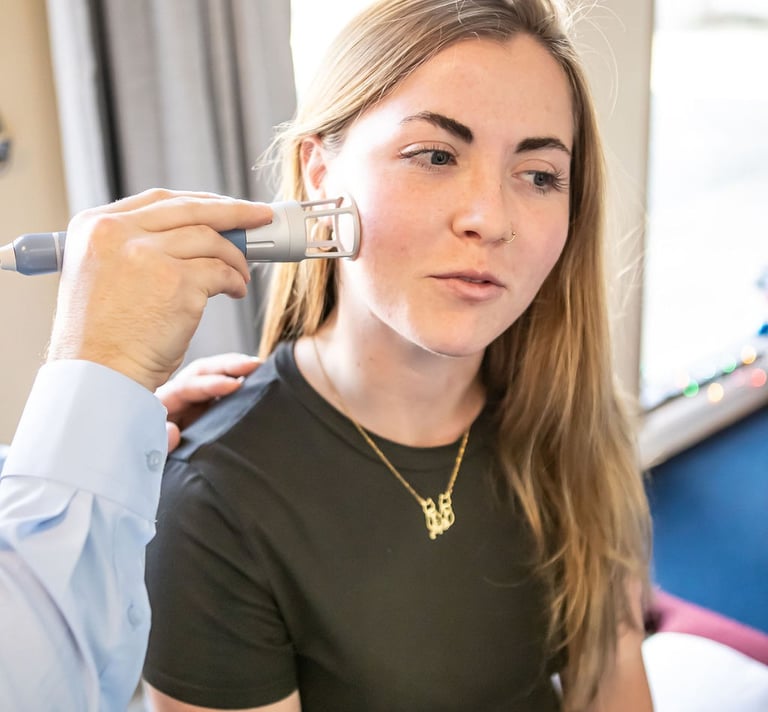
Treatment often begins with gentle instrument-assisted adjustments to the TMJ and surrounding structures. These adjustments are designed to improve joint motion and reduce restrictions that may contribute to jaw discomfort or altered movement patterns. We also evaluate the upper cervical spine, as dysfunction in the neck can influence the muscles and mechanics of the jaw. By restoring proper motion to these areas, many patients experience improvements in jaw function and overall comfort.
To address muscular tension, our protocol may include intraoral soft tissue therapy targeting the pterygoid muscles, which are commonly involved in TMJ dysfunction and jaw pain. These muscles can become tight, overactive, or tender due to clenching, grinding, stress, or altered jaw mechanics. In addition, we utilize EMVITAL Class IV laser therapy to the masseter muscles, sternocleidomastoid (SCM), upper trapezius muscles, and other involved tissues. The goal of laser therapy is to support the body's natural healing processes, improve circulation, and help reduce muscle tension and discomfort. Combined with chiropractic care and patient-specific recommendations, this comprehensive approach helps many patients improve jaw mobility, decrease pain, and return to normal daily activities with greater comfort.
🏙️ TMJ Chiropractor Serving Columbia, West Columbia, Cayce & Lexington
If you’ve been searching for TMJ treatment near Columbia, SC, chiropractic care offers a safe, effective, and lasting approach.
We proudly serve patients from Columbia, West Columbia, Irmo, Chapin, and Lexington, helping them relieve jaw tension and improve their overall quality of life.
👉 Schedule your TMJ consultation today at Soda City Chiropractic and start your journey toward natural, lasting relief.
📞 Call or Text: 803-966-7689
📍 2205 Main Street, Columbia, SC 29201
What our Columbia SC patients are saying:
Our Columbia SC Chiropractic Office
2205 Main Street
Columbia, SC 29201
Hours
Monday - Friday
9:00am - 12:00 pm and 3:00 pm - 6:00pm
24/7 by appointment only
Contacts
803-966-7689
dcarr@sodacitychiro.com