

5 Most Common Low Back Pain Issues and Their Treatments
4/3/20267 min read
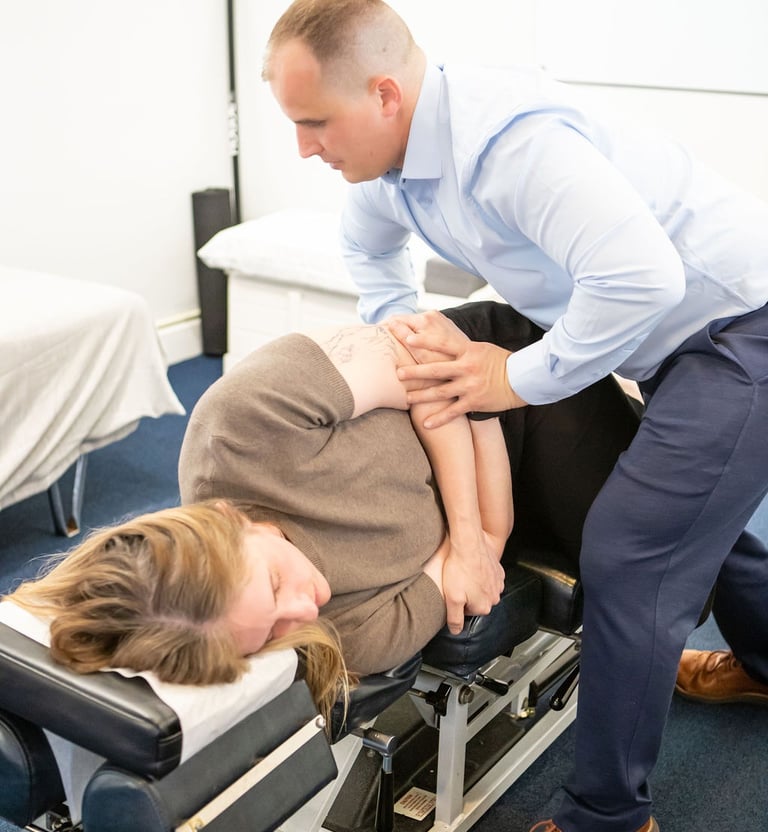
Low Back Pain in Columbia, SC
Low back pain (LBP) in Columbia, SC is a significant health issue affecting millions of individuals worldwide. Research indicates that approximately 80% of people will experience some form of low back pain at least once in their lives. The condition can manifest in various intensities, ranging from mild discomfort to debilitating pain, severely impacting an individual's quality of life.
There are numerous potential causes of low back pain, which can complicate its diagnosis and treatment. Common contributors include muscle strain, herniated discs, arthritis, and even poor posture. Lifestyle factors, such as obesity and lack of physical activity, often exacerbate these underlying issues. Additionally, occupational hazards and specific sports activities may put undue stress on the lower back, increasing the risk of injuries that lead to pain.
The significance of addressing low back pain cannot be overstated, as it plays a crucial role in people's daily functioning. Many individuals suffer from absenteeism at work or decreased productivity due to discomfort and pain, leading to a substantial economic burden. Furthermore, untreated low back pain may contribute to psychosocial issues, such as anxiety and depression, affecting an individual's overall mental well-being.
Furthermore, the multifaceted nature of low back pain necessitates a comprehensive understanding of its causes and potential treatments. This blog post aims to delve into the five most common low back pain issues, explore their implications on daily life, and present evidence-based treatments to manage this prevalent ailment effectively.
Common Low Back Pain Issue #1: Muscle Strain
Muscle strain is a prevalent cause of low back pain, often resulting from overexertion, improper lifting techniques, or sudden twisting movements. These strains can occur in various settings, including workplace environments, athletic activities, or even during routine household chores. When a muscle in the back is over-stretched or torn, it can lead to significant discomfort and mobility issues.
The typical symptoms associated with a muscle strain include localized pain in the affected area, stiffness, and swelling. Patients may experience difficulty bending or moving, and the pain can vary from a dull ache to a sharp, debilitating sensation. In many cases, muscle strains can be exacerbated by physical activity or prolonged periods of sitting or standing.
At Soda City Chiropractic, we emphasize a comprehensive approach to treating muscle strains that contribute to low back pain. Initially, we assess the extent of the strain through a thorough examination and consultation, which enables us to tailor a treatment plan suited to each individual’s needs. Common treatment options may include chiropractic adjustments to increase joint motion, soft tissue work to break up an adhesions, specific exercises designed to strengthen the surrounding muscles and improve flexibility, and finally EMVITAL laser therapy to increase circulation thereby decreasing inflammation to heal the tissues.
By addressing muscle strains effectively, we aim to not only alleviate current pain but also prevent future occurrences, thereby improving the overall quality of life for our patients.
Common Low Back Pain Issue #2: Sciatica
Sciatica is a term commonly used to describe discomfort that arises from irritation or compression of the sciatic nerve, the largest nerve in the human body. The sciatic nerve runs from the lower back through the hips and buttocks, and down each leg. When this nerve is subjected to compression, often due to a herniated disc or bone spur, a range of symptoms may occur.
The hallmark symptom of sciatica is a sharp, shooting pain that radiates from the lower back down through the buttock and into one leg. Individuals may also experience sensations such as tingling, numbness, or a burning sensation along the pathway of the nerve. These symptoms can be debilitating and may worsen with prolonged sitting, standing, or any activity that adds pressure to the lower back.
At Soda City Chiropractic, a variety of effective treatment methods are available to alleviate sciatica-related pain. Chiropractic adjustments are often performed to realign the spine and relieve pressure on the sciatic nerve. This treatment not only helps to ease pain but also improves overall spinal function. Additionally, therapeutic exercises may be prescribed to strengthen the muscles surrounding the spine, which can help prevent future episodes of sciatica. If the pain is persisting in the calf or foot then we will be using the laser therapy on that region.
In some cases, adjunct therapies such as massage or physical therapy may be recommended to enhance recovery. Patients are also educated on lifestyle modifications that can help minimize the risk of aggravating the condition, such as proper posture, ergonomic adjustments at work, and engaging in regular low-impact exercise. Effectively managing sciatica requires a comprehensive and individualized approach, tailored to the specific needs of each patient.
Understanding Herniated Discs
A herniated disc occurs when the soft inner gel of a spinal disc bulges out through a tear in the tough exterior. This condition can often lead to low back pain, affecting numerous individuals. Herniated discs may occur due to aging, injury, or wear and tear on the spine, placing strain on the surrounding nerves.
Individuals suffering from a herniated disc may experience a range of symptoms. The most common indication is localized pain in the lower back, which can vary in intensity. Additionally, the condition can cause radiating symptoms, characterized by sharp pain or discomfort that travels down the legs, often referred to as sciatica. This may occur if the herniated material compresses spinal nerves, leading to significant weakness, numbness, or tingling sensations in the lower extremities.
At Soda City Chiropractic, we focus on effective treatment strategies to manage herniated disc issues. Our approach begins with a comprehensive assessment to determine the severity and specific characteristics of the herniation. Based on this evaluation, we may recommend a combination of manual adjustments, laser treatment sessions, and soft tissue work designed to alleviate pain and promote healing. Furthermore, we incorporate targeted stretches and strengthening techniques to support spinal health and prevent future occurrences.
Additionally, we emphasize the importance of posture and body mechanics in everyday activities, as proper alignment can significantly reduce stress on spinal discs. Depending on the individual's condition, we might also explore alternative therapies such as acupuncture or massage therapy, aiming for a holistic approach to recovery.
Understanding Spinal Stenosis
Spinal stenosis is a medical condition characterized by the narrowing of the spinal canal, which can lead to compression of the spinal cord and nerves. This condition frequently contributes to low back pain, particularly in the elderly population. The narrowing may occur due to various factors, such as age-related degeneration, herniated discs, or bone spurs, which gradually constrict the spaces designated for nerve roots and the spinal cord.
Patients suffering from spinal stenosis often experience a range of symptoms, including radiating pain, numbness, tingling sensations, and muscle weakness in the legs. These symptoms may worsen upon standing or walking for prolonged periods and are frequently relieved by sitting down or bending forward. The discomfort associated with spinal stenosis can significantly impact daily activities and quality of life.
At Soda City Chiropractic, our approach to treating spinal stenosis is comprehensive and tailored to each individual’s needs. We aim to alleviate the symptoms contributed by this condition through a combination of chiropractic adjustments and EMVITAL laser treatments. Chiropractic adjustments help improve spinal alignment and mobility, thereby reducing pressure on the affected nerves.
In addition, we emphasize the importance of strengthening the surrounding muscles to support the spine and enhance stability. Our practitioners work with patients to develop customized exercise regimens that focus on promoting flexibility and core strength, crucial factors in managing low back pain effectively. By addressing the underlying causes of spinal stenosis, our treatment protocols aim to provide long-term relief and improve our patients' overall well-being.
Common Low Back Pain Issue #5: Osteoarthritis
Osteoarthritis is a prevalent degenerative joint condition that can significantly contribute to low back pain. This ailment occurs when the cartilage that cushions the joints begins to break down over time, leading to increased friction between the bones. As the cartilage wears away, individuals often experience stiffness, swelling, and localized pain in the affected area, which can severely restrict one's mobility.
The development of osteoarthritis can be attributed to several factors, including age, repetitive stress on the joints, previous injuries, and genetic predispositions. As individuals age, the likelihood of developing osteoarthritis increases, making it one of the most common contributors to chronic low back pain among older adults.
Symptoms associated with osteoarthritis often include a deep, aching pain in the lower back that may worsen with activity and improve with rest. Stiffness is typically most pronounced after periods of inactivity, such as upon waking in the morning or after sitting for prolonged periods. In some cases, patients may also notice swelling or tenderness around the affected joints.
Chronic osteoarthritis can lead to long-term implications for mobility. As pain levels escalate, many individuals reduce their physical activity, which can result in muscle weakening and further joint degeneration. It is crucial to address the condition early to maintain a functional range of motion and overall quality of life.
At Soda City Chiropractic, various treatment methods are available for managing osteoarthritis and alleviating low back pain. These might include chiropractic adjustments to improve joint alignment, physical therapy to strengthen muscles supporting the spine, and lifestyle modifications aimed at reducing the strain on the lower back. Additionally, educational resources about managing symptoms at home often empower patients to take an active role in their care.
Conclusion
In this blog post, we have examined the five most common low back pain issues along with their corresponding treatment options. Understanding the nuances of low back pain is crucial in effectively addressing it. We discussed conditions such as muscle strains, herniated discs, and sciatica, emphasizing the importance of a correct diagnosis to tailor the most suitable treatment approach.
Muscle strains often resolve with conservative treatments like rest and physical therapy, while herniated discs may require more specialized interventions, including chiropractic care and possibly surgery, depending on the severity of the case. Sciatica, a condition manifesting as radiating pain along the sciatic nerve, can also benefit from a multidisciplinary treatment plan involving physical therapy, medication, and lifestyle modifications to alleviate symptoms and promote long-term relief.
It is vital for individuals suffering from chronic low back pain to recognize that effective treatment is available. Our understanding of low back pain emphasizes the need for customized care strategies that address not just the symptoms but also the underlying causes of pain.
If you are experiencing persistent low back pain or any of the symptoms we discussed, we encourage you to seek professional assistance. At Soda City Chiropractic, our team of experienced practitioners is dedicated to providing personalized treatment options that focus on your unique needs. We adopt a holistic approach to your well-being, aiming to improve your overall quality of life through effective pain management strategies.
Do not hesitate to reach out to us for a consultation. Take the first step toward alleviating your low back pain today. Your journey to better health awaits!