

Understanding Thoracic Outlet Syndrome: Symptoms, Diagnosis, and Treatment Options
Thoracic Outlet Syndrome (TOS) can cause neck pain, shoulder pain, numbness, tingling, weakness, and symptoms that travel down the arm. In this article, we discuss the different types of Thoracic Outlet Syndrome, common causes, and how conservative treatment options such as chiropractic care, soft tissue therapy, corrective exercise, and Class IV laser therapy may help improve mobility, reduce irritation, and support recovery. Learn how patients in Columbia, SC and Lexington, SC may find relief from Thoracic Outlet Syndrome without immediately resorting to surgery.
6/5/20267 min read
What is Thoracic Outlet Syndrome?
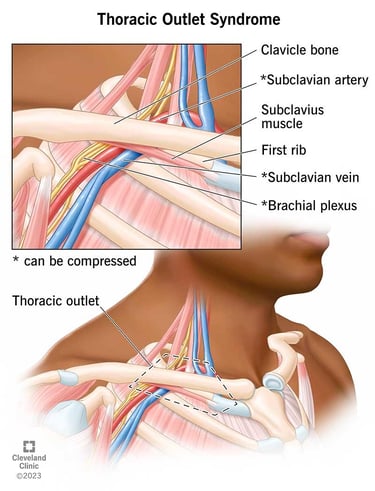
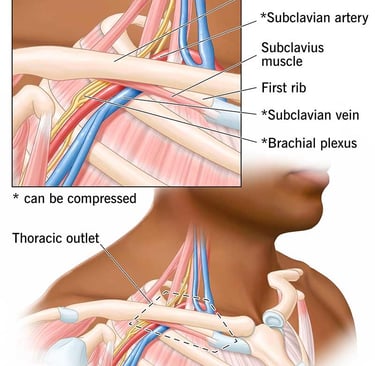
Thoracic Outlet Syndrome (TOS) is a complex condition that arises from the compression of structures in the thoracic outlet, which is the space between the collarbone and the first rib. This syndrome affects the network of nerves and blood vessels that pass from the neck into the arm and hand. TOS can be categorized into three principal types: neurogenic, venous, and arterial, each associated with different anatomical structures and health implications.
Neurogenic thoracic outlet syndrome is the most common form, occurring when the brachial plexus nerves, which control arm and hand movement and sensation, become compressed. Symptoms may include pain, numbness, and weakness in the arm and hand. Venous thoracic outlet syndrome involves the compression of the subclavian vein, which can lead to swelling, discoloration, and the formation of blood clots. Lastly, arterial thoracic outlet syndrome results from pressure on the subclavian artery, potentially leading to more severe consequences such as limb ischemia and complications related to blood flow.
Several factors may contribute to the development of TOS. Trauma, including accidents and sports injuries, can induce structural changes in the thoracic outlet. Anatomical abnormalities, such as an extra rib or an unusually tight fibrous band, can also predispose individuals to this syndrome. Additionally, repetitive activities, including overhead work or heavy lifting, may exacerbate symptoms due to sustained pressure over time. Understanding these causes is critical for effective diagnosis and management of Thoracic Outlet Syndrome.
Identifying Symptoms of Thoracic Outlet Syndrome
Thoracic Outlet Syndrome (TOS) presents a range of symptoms that can significantly impact the quality of life of those affected. The symptoms associated with TOS can be broadly categorized into three types: vascular, neurological, and a combination of both, depending on the structures involved and the specific type of TOS occurring.
The most common symptoms include pain in the shoulders and neck, which may radiate down the arm and affect the shoulder's mobility. Patients often report persistent pain, making it difficult to perform routine daily activities such as lifting objects or performing overhead tasks. This discomfort can lead to decreased productivity and an overall reduction in functional capacity.
Numbness and tingling in the fingers are also prevalent symptoms of TOS. This sensory loss is typically the result of neurological involvement, where the brachial plexus nerves are compressed. Patients may experience weakness in grip strength, impacting their ability to hold objects securely. This symptom can complicate simple tasks, like writing or even holding a coffee cup, leading to frustration and decreased independence.
Furthermore, those suffering from TOS may experience fatigue in the arm and shoulder region. This can often be exacerbated with prolonged periods of certain postures, such as sitting or standing for too long, and may limit their engagement in physical labor or leisure activities. The varying intensity of these symptoms underscores the need for a thorough assessment and targeted interventions.
In conclusion, recognizing the symptoms associated with Thoracic Outlet Syndrome is vital for diagnosis and treatment planning. Understanding how these symptoms affect daily life allows both patients and healthcare providers to implement effective management strategies, ultimately improving the overall quality of life for those affected.
Current Diagnosis Techniques for Thoracic Outlet Syndrome
Diagnosing Thoracic Outlet Syndrome (TOS) involves a multifaceted approach, as the symptoms can mimic other medical conditions. Initial evaluations typically begin with a thorough clinical assessment, where health care providers gather detailed medical histories and conduct physical examinations. During the clinical evaluation, the physician looks for specific symptoms such as pain, numbness, or weakness in the upper extremities, which are indicative of TOS. They will also assess for factors that may contribute to the syndrome, such as activities that involve repetitive overhead movements.
Imaging tests play a crucial role in the diagnostic process for Thoracic Outlet Syndrome. X-rays are often utilized to provide insight into structural anomalies like bone irregularities or cervical ribs, which could contribute to compression of the neurovascular bundle. Magnetic Resonance Imaging (MRI) is another valuable tool that offers detailed images of soft tissues and can help visualize potential entrapments in the thoracic outlet area. In some situations, a Doppler ultrasound may be used to assess blood flow in the areas affected, ensuring that vascular components are functioning normally.
Apart from imaging, specialized tests are essential to confirm the diagnosis of TOS. The Adson's test is commonly employed, wherein the patient turns their head toward the affected side while taking a deep breath, assessing for a decrease in radial pulse which indicates vascular compromise. Additionally, the Roos test involves raising the arms and opening and closing the hands to challenge the thoracic outlet structures, aiming to reproduce the symptoms. It is imperative that diagnostics for TOS account for other potential conditions, such as cervical radiculopathy or herniated discs, ensuring a comprehensive evaluation for accurate diagnosis and appropriate treatment planning.
Treatment Options for Thoracic Outlet Syndrome
Thoracic Outlet Syndrome (TOS) presents a range of treatment options tailored to the specific needs of affected individuals. The choice of therapy often depends on the severity of symptoms and the underlying cause of the condition. Initially, conservative treatments are typically recommended, focusing on alleviating pain and restoring proper function.
Physical therapy is one of the cornerstones of conservative management for TOS. A physical therapist will design a regimen that includes stretching and strengthening exercises aimed at improving posture and decreasing compression of the brachial plexus and subclavian vessels. Patients may also benefit from ergonomic assessments to optimize their workspaces, which can mitigate the risk of exacerbating symptoms.
In conjunction with physical therapy, medication can serve as an effective approach. Non-steroidal anti-inflammatory drugs (NSAIDs) are often prescribed to manage pain and reduce inflammation. In some cases, corticosteroid injections may be considered to provide more immediate relief, particularly if the symptoms are severe and debilitating.
When conservative methods fail to yield adequate improvements, surgical intervention may be necessary. This option is generally considered when there is significant compression of the vascular or neurological structures. Surgical procedures can vary, ranging from neurogenic surgeries that relieve pressure on the nerves to vascular surgeries that address blood vessel issues. The primary goal of any surgical approach is to alleviate symptoms and restore normal functionality in the affected limb.
Ultimately, the decision to pursue surgical options is made collaboratively between the patient and their healthcare provider, often after careful evaluation of the patient's specific situation. Each treatment plan should aim for long-term relief and improved quality of life, ensuring that all avenues are explored to address the myriad challenges presented by Thoracic Outlet Syndrome.
Chiropractic Care for Thoracic Outlet Syndrome
Chiropractic care plays a significant role in the management of Thoracic Outlet Syndrome (TOS), a condition that arises from the compression of nerves and blood vessels in the thoracic outlet region. Chiropractors utilize specific techniques including upper thoracic and rib adjustments to alleviate the various symptoms associated with TOS. Through these adjustments, practitioners can help correct subluxations—misalignments of the vertebrae that can lead to nerve interference and vascular compression.
The physiological benefits of such adjustments are manifold. By restoring proper alignment to the upper thoracic spine, chiropractors can enhance the overall function of the nervous system and improve blood flow to the affected areas. This can lead to a reduction in pain, numbness, and other neurological symptoms experienced by individuals with TOS. One of the primary goals of chiropractic treatment is to relieve muscle tension, which can exacerbate compression of the brachial plexus—the network of nerves responsible for motor and sensory function in the upper limb.
Chiropractors undergo extensive training in understanding the musculoskeletal system, providing them with the expertise necessary to manage conditions like TOS. They are equipped to perform thorough assessments, including postural evaluations and neurological tests, allowing for an individualized treatment plan tailored to each patient’s specific needs. Chiropractic care often incorporates additional therapeutic modalities, such as soft tissue techniques, exercise recommendations, and lifestyle modifications to support recovery and prevent recurrence.
Moreover, research indicates that chiropractic adjustments can significantly improve the quality of life for individuals suffering from TOS. By specifically targeting the thoracic outlet and surrounding structures, chiropractic intervention can facilitate healing and restoration of functional movement, ultimately leading to symptom relief and enhanced well-being.
The Importance of Soft Tissue Work in TOS Treatment
Thoracic Outlet Syndrome (TOS) often results in a complex interplay of nerve and blood vessel compression in the thoracic outlet, leading to various discomforts and functional limitations. One highly effective approach to managing TOS is the incorporation of soft tissue work as part of treatment. Soft tissue techniques, including myofascial release, trigger point therapy, and massage therapy, play a vital role in alleviating the symptoms associated with this condition.
Myofascial release, for instance, targets the fascia – the connective tissue that surrounds muscles and organs. By gently stretching and releasing taut areas, practitioners can reduce restrictive layers around muscles, thereby alleviating tension and potentially improving vascular and nerve flow within the thoracic outlet. This technique is particularly beneficial for individuals who experience chronic pain or tightness in their neck, shoulders, and upper back.
Trigger point therapy goes a step further by focusing on specific 'trigger points' or knots that can contribute to pain referral in other areas of the body. By applying pressure to these points, therapists help release the tension, which can lead to improved range of motion and reduced discomfort in patients suffering from TOS. The targeted nature of this technique allows for addressing specific muscle groups affected in TOS more effectively.
Furthermore, massage therapy can significantly aid in promoting relaxation and stress relief, which are crucial for patients navigating the often frustrating symptoms of TOS. Techniques such as Swedish massage or deep tissue therapy can help enhance circulation, reduce muscle tension, and improve overall mobility. This holistic management approach ensures that all aspects of the individual’s health are addressed, creating a more comprehensive treatment plan.
The Benefits of Class IV Laser Therapy for Thoracic Outlet Syndrome
Class IV laser therapy presents a promising non-invasive treatment option for individuals suffering from Thoracic Outlet Syndrome (TOS). This therapeutic technique utilizes high-powered laser light to penetrate deep into tissues, stimulating cellular activity and promoting healing. The mechanism of action involves increased blood flow, reduction of inflammation, and acceleration of tissue regeneration, which are crucial for alleviating the symptoms associated with TOS.
Clinical evidence supporting the efficacy of Class IV laser therapy has been accumulating steadily. Studies indicate that patients undergoing this form of treatment often experience diminished pain and improved range of motion, vital for enhancing daily function and overall quality of life. The therapy’s ability to reduce inflammation is especially beneficial for those with TOS, as inflammation is a primary contributor to the discomfort and mobility limitations associated with the condition.
Moreover, Class IV laser therapy serves as an adjunct to other treatment modalities for TOS, enhancing the overall effectiveness of a multi-faceted treatment approach. For instance, when combined with physical therapy, patients may see an expedited recovery timeline as laser therapy aids in preparing the tissues for rehabilitation exercises. By facilitating a more conducive healing environment, it assists in muscle relaxation and increases the efficacy of therapeutic maneuvers designed to relieve nerve compression.
In conclusion, Class IV laser therapy is a beneficial addition to the treatment landscape for Thoracic Outlet Syndrome. It enhances tissue healing and reduces inflammation through its advanced mechanism of action. The accumulated clinical evidence supports its role as a valuable component alongside other therapeutic strategies, offering patients a holistic pathway to reclaim comfort and mobility.